

What are the wear characteristics of a valve disc?
Jul 11, 2025
Valve discs are crucial components in valve systems, playing a vital role in controlling the flow of fluids. Understanding their wear characteristics is essential for ensuring the long - term performance and reliability of valves. As a valve disc supplier, I have in - depth knowledge and experience in this area. In this blog, I will explore the wear characteristics of valve discs from various aspects.
1. Types of Wear on Valve Discs
Abrasive Wear
Abrasive wear occurs when hard particles in the fluid rub against the surface of the valve disc. These particles can be sand, rust, or other solid contaminants in the fluid. The size, shape, and hardness of these particles have a significant impact on the degree of abrasive wear. For example, sharp - edged particles can cause more severe scratches and grooves on the valve disc surface compared to round - shaped particles.
The relative motion between the valve disc and the fluid also affects abrasive wear. In high - velocity fluid flow, the particles are more likely to collide with the valve disc at high speed, increasing the wear rate. Additionally, the material of the valve disc itself is a crucial factor. Softer materials are more prone to abrasive wear. For instance, Cast Iron Valve Disc may experience more rapid abrasive wear compared to harder materials like alloy steel or stainless steel.
Erosive Wear
Erosive wear is similar to abrasive wear but is mainly caused by the impact of high - velocity fluid containing solid particles. When the fluid flows through the valve at a high speed, the solid particles carried by the fluid can erode the valve disc surface. Erosive wear is often more pronounced at the inlet and outlet areas of the valve disc, where the fluid velocity is relatively high.
The shape of the valve disc can also influence erosive wear. Valve discs with complex shapes or sharp edges may cause local fluid flow disturbances, leading to more severe erosive wear in these areas. Moreover, the fluid properties, such as density and viscosity, play a role in erosive wear. High - density fluids can carry more energy, resulting in more significant erosive effects on the valve disc.
Corrosive Wear
Corrosive wear occurs when the valve disc is exposed to corrosive fluids. The chemical reaction between the valve disc material and the corrosive medium leads to the degradation of the surface. Different valve disc materials have different corrosion resistances. For example, Stainless Steel Valve Disc is well - known for its excellent corrosion resistance due to the presence of chromium, which forms a passive oxide layer on the surface to protect it from further corrosion.
However, in some highly corrosive environments, even stainless steel may experience corrosion if the corrosive medium is too aggressive. Alloy steel can also have good corrosion resistance depending on its alloying elements. On the other hand, Cast Iron Valve Disc is more susceptible to corrosion, especially in acidic or alkaline environments.
Fatigue Wear
Fatigue wear is caused by repeated stress cycles on the valve disc. During the opening and closing process of the valve, the valve disc is subjected to mechanical stress. Over time, these cyclic stresses can cause micro - cracks to form on the surface of the valve disc. As the number of stress cycles increases, these micro - cracks can grow and eventually lead to the failure of the valve disc.
The frequency and amplitude of the stress cycles, as well as the material properties of the valve disc, are important factors in fatigue wear. Materials with high fatigue strength, such as some high - grade alloy steels, are more resistant to fatigue wear. The design of the valve system also affects fatigue wear. For example, improper installation or misalignment of the valve can increase the stress on the valve disc, accelerating fatigue wear.
2. Factors Affecting Wear Characteristics
Fluid Properties
The properties of the fluid flowing through the valve, such as its chemical composition, temperature, pressure, and flow rate, have a profound impact on the wear characteristics of the valve disc. Corrosive fluids, as mentioned earlier, can cause corrosive wear. High - temperature fluids can accelerate chemical reactions and reduce the mechanical properties of the valve disc material, increasing the susceptibility to wear.
High - pressure fluids can increase the force exerted on the valve disc, leading to more severe abrasive and erosive wear. The flow rate of the fluid also affects wear. A high - flow - rate fluid can carry more solid particles and cause more significant erosive and abrasive effects on the valve disc.
Valve Disc Material
The choice of valve disc material is crucial in determining its wear characteristics. Different materials have different hardness, corrosion resistance, and fatigue strength. Stainless Steel Valve Disc is widely used in applications where corrosion resistance is required, such as in the chemical and food industries. It has good mechanical properties and can withstand a certain degree of abrasive and erosive wear.
Alloy Steel Valve Disc is known for its high strength and toughness, making it suitable for high - pressure and high - temperature applications. Alloy steels can be alloyed with various elements to enhance specific properties, such as wear resistance and corrosion resistance. Cast iron valve discs are more economical but have relatively lower wear resistance compared to stainless steel and alloy steel.

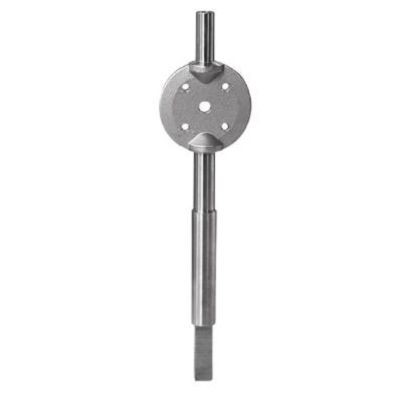
Valve Design and Operating Conditions
The design of the valve, including the shape, size, and sealing mechanism of the valve disc, can affect its wear characteristics. A well - designed valve disc can reduce fluid flow disturbances, thereby minimizing erosive and abrasive wear. The sealing mechanism also plays a role. A tight - fitting seal can prevent fluid leakage and reduce the impact of corrosive and abrasive fluids on the valve disc.
The operating conditions of the valve, such as the frequency of opening and closing, the duration of operation, and the operating environment, also influence wear. Frequent opening and closing can increase the risk of fatigue wear, while long - term operation in a harsh environment can accelerate corrosive and abrasive wear.
3. Monitoring and Mitigation of Wear
Monitoring Wear
To ensure the reliable operation of the valve, it is necessary to monitor the wear of the valve disc regularly. Non - destructive testing methods, such as ultrasonic testing, magnetic particle testing, and eddy - current testing, can be used to detect the presence of cracks and surface defects on the valve disc. Visual inspection can also provide valuable information about the wear status of the valve disc, such as the degree of surface roughness and the presence of corrosion spots.
In addition, monitoring the performance parameters of the valve, such as pressure drop, flow rate, and leakage rate, can also help to identify potential wear problems. An increase in pressure drop or leakage rate may indicate excessive wear of the valve disc.
Mitigating Wear
There are several ways to mitigate the wear of valve discs. One approach is to select the appropriate valve disc material based on the operating conditions. For example, in a highly corrosive environment, a Stainless Steel Valve Disc should be used. In applications with high - velocity fluid flow and abrasive particles, an alloy steel valve disc with high wear resistance may be a better choice.
Surface treatment techniques, such as coating and hardening, can also be used to improve the wear resistance of the valve disc. Coatings can provide a protective layer on the surface of the valve disc, preventing direct contact between the material and the corrosive or abrasive fluid. Hardening processes, such as heat treatment or nitriding, can increase the hardness of the valve disc surface, enhancing its resistance to abrasive and erosive wear.
Proper maintenance and installation of the valve are also essential in reducing wear. Regular cleaning of the valve, replacement of worn - out parts, and correct installation and alignment can significantly extend the service life of the valve disc.
4. Conclusion
Understanding the wear characteristics of valve discs is crucial for the efficient and reliable operation of valve systems. As a valve disc supplier, I am committed to providing high - quality valve discs that can withstand various wear conditions. By considering factors such as fluid properties, valve disc material, and operating conditions, we can help our customers select the most suitable valve discs for their applications.
If you are in need of valve discs and want to discuss your specific requirements, we are here to assist you. We have a wide range of valve disc products, including Stainless Steel Valve Disc, Alloy Steel Valve Disc, and Cast Iron Valve Disc. Contact us to start a procurement negotiation and find the best valve disc solutions for your projects.
References
- ASM Handbook Volume 18: Friction, Lubrication, and Wear Technology.
- Valve Handbook, 4th Edition by Nathaniel I. Shapiro.
- Corrosion Basics: An Introduction by Ronald W. Revie.