

How to improve the erosion resistance of a valve disc?
Jul 09, 2025
Hey there! As a valve disc supplier, I've seen firsthand how crucial it is for valve discs to have good erosion resistance. Erosion can seriously mess up the performance and lifespan of a valve disc, leading to costly repairs and replacements. So, in this blog, I'm gonna share some tips on how to improve the erosion resistance of a valve disc.
1. Choose the Right Material
The material of the valve disc plays a huge role in its erosion resistance. Different materials have different properties, and picking the right one can make a big difference.

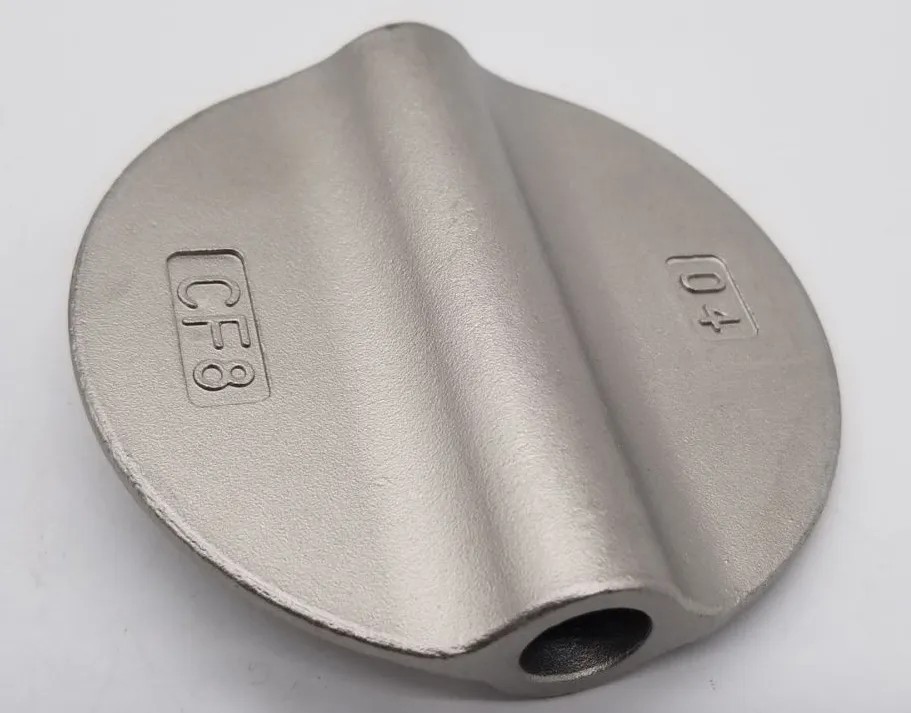
- Carbon Steel Valve Disc: Carbon steel is a common choice for valve discs. It's relatively inexpensive and has decent strength. But it may not be the best option in highly erosive environments. However, if the erosion level is moderate, Carbon Steel Valve Disc can still work well. Carbon steel can be heat - treated to improve its hardness, which in turn enhances its erosion resistance to some extent.
- Cast Iron Valve Disc: Cast iron is another option. It has good castability, which means it can be made into complex shapes easily. But its erosion resistance is limited, especially compared to some other materials. It's often used in less demanding applications. If you're in a situation where the flow rate is low and the erosive particles are not too abrasive, Cast Iron Valve Disc might be a cost - effective choice.
- Stainless Steel Valve Disc: Stainless steel is a great material for valve discs when it comes to erosion resistance. It has high corrosion resistance in addition to being able to withstand erosion better than carbon steel and cast iron in many cases. The chromium in stainless steel forms a protective oxide layer on the surface, which helps prevent erosion. Stainless Steel Valve Disc is a popular choice for applications where the fluid contains corrosive and erosive substances.
2. Surface Treatment
Surface treatment is an effective way to boost the erosion resistance of a valve disc.
- Hardening Treatments: Processes like nitriding and carburizing can increase the hardness of the valve disc surface. Nitriding involves introducing nitrogen into the surface layer of the metal, forming hard nitride compounds. This makes the surface more resistant to the impact of erosive particles. Carburizing, on the other hand, adds carbon to the surface, which also increases hardness. These treatments can significantly improve the valve disc's ability to withstand erosion.
- Coating: Applying a coating to the valve disc surface is also a common method. There are different types of coatings available. For example, ceramic coatings are very hard and have excellent erosion resistance. They can form a protective barrier between the valve disc and the erosive fluid or particles. Polymer coatings can also be used, especially in applications where chemical resistance is also required. These coatings can reduce the friction between the valve disc and the flowing medium, which in turn reduces erosion.
3. Design Optimization
The design of the valve disc can have a major impact on its erosion resistance.
- Streamlined Shape: A streamlined valve disc design can reduce the turbulence of the fluid flow around it. When the fluid flows smoothly, the impact of erosive particles on the valve disc is reduced. For example, a disc with a smooth, rounded shape is better than one with sharp edges. Sharp edges can cause the fluid to separate and form eddies, which increase the chances of erosion.
- Proper Size and Thickness: Making sure the valve disc has the right size and thickness is important. A disc that is too thin may not be able to withstand the erosive forces for a long time. On the other hand, an overly thick disc may not be cost - effective and could also cause other problems in the valve system, such as increased pressure drop.
4. Operating Conditions Management
Managing the operating conditions can also help improve the erosion resistance of the valve disc.
- Flow Rate Control: High flow rates can increase the erosive power of the fluid. By controlling the flow rate within a reasonable range, the impact of erosive particles on the valve disc can be reduced. This can be achieved through proper valve sizing and the use of flow control devices.
- Particle Removal: If the fluid contains solid particles, removing them before they reach the valve disc can significantly reduce erosion. Filters can be installed upstream of the valve to trap the particles. This not only protects the valve disc but also other components in the system.
5. Regular Maintenance
Regular maintenance is essential for ensuring the long - term erosion resistance of the valve disc.
- Inspection: Regularly inspect the valve disc for signs of erosion. Look for areas where the surface has been worn away, pits, or cracks. Early detection of erosion can allow for timely repairs or replacements, preventing further damage to the valve disc and the entire valve system.
- Cleaning: Cleaning the valve disc periodically can remove any deposits or particles that may be sticking to the surface. This helps maintain the smoothness of the surface and reduces the risk of localized erosion.
In conclusion, improving the erosion resistance of a valve disc involves a combination of material selection, surface treatment, design optimization, operating conditions management, and regular maintenance. By taking these steps, you can ensure that your valve disc lasts longer and performs better in erosive environments.
If you're interested in purchasing high - quality valve discs with excellent erosion resistance, feel free to reach out to start a procurement discussion. We're here to help you find the best valve disc solutions for your specific needs.
References
- Smith, J. (2020). Materials for Valve Components. Journal of Valve Technology, 15(2), 34 - 45.
- Johnson, R. (2019). Surface Treatments for Erosion Resistance in Valves. International Journal of Valve Engineering, 12(3), 56 - 67.
- Brown, T. (2021). Design Considerations for Erosion - Resistant Valve Discs. Valve Design Review, 18(1), 12 - 23.