

What is the difference between a flat valve disc and a conical valve disc?
Aug 20, 2025
Valve discs are crucial components in various types of valves, playing a significant role in controlling the flow of fluids. As a leading valve disc supplier, we often encounter inquiries about the differences between flat valve discs and conical valve discs. In this blog post, we will delve into the characteristics, applications, advantages, and disadvantages of these two types of valve discs to help you make informed decisions when selecting the most suitable valve disc for your specific needs.
Structure and Design
The most obvious difference between a flat valve disc and a conical valve disc lies in their geometric shapes. A flat valve disc, as the name suggests, has a flat surface that is perpendicular to the axis of the valve stem. This simple and straightforward design allows for a uniform sealing surface, which can effectively prevent leakage when the valve is closed. On the other hand, a conical valve disc features a tapered surface that forms an angle with the valve seat. This design provides a more precise and reliable sealing mechanism, especially in applications where a high degree of sealing performance is required.
Sealing Performance
Sealing performance is one of the most critical factors to consider when choosing a valve disc. Flat valve discs are known for their excellent sealing performance in low-pressure applications. The flat surface of the valve disc creates a large contact area with the valve seat, which helps to distribute the sealing force evenly and prevent leakage. However, in high-pressure applications, the flat valve disc may be prone to deformation, which can compromise the sealing performance.
Conical valve discs, on the other hand, are designed to provide superior sealing performance in high-pressure applications. The tapered surface of the valve disc allows for a more concentrated sealing force, which can effectively prevent leakage even under high pressures. Additionally, the conical shape of the valve disc helps to compensate for any minor misalignments between the valve disc and the valve seat, ensuring a reliable seal.
Flow Characteristics
Another important factor to consider when choosing a valve disc is its flow characteristics. Flat valve discs typically have a higher flow coefficient (Cv) than conical valve discs, which means they allow for a greater flow rate of fluid through the valve. This makes flat valve discs ideal for applications where a high flow rate is required, such as in water supply systems or industrial pipelines.
Conical valve discs, on the other hand, have a lower flow coefficient than flat valve discs, which means they restrict the flow of fluid through the valve to a greater extent. This makes conical valve discs suitable for applications where precise flow control is required, such as in chemical processing plants or oil refineries.
Applications
The choice between a flat valve disc and a conical valve disc depends largely on the specific application requirements. Flat valve discs are commonly used in low-pressure applications, such as water supply systems, HVAC systems, and irrigation systems. They are also suitable for applications where a high flow rate is required, such as in industrial pipelines and power plants.
Conical valve discs, on the other hand, are typically used in high-pressure applications, such as oil and gas pipelines, chemical processing plants, and power generation facilities. They are also suitable for applications where precise flow control is required, such as in pharmaceutical manufacturing and food processing industries.
Advantages and Disadvantages
Both flat valve discs and conical valve discs have their own advantages and disadvantages. Here is a summary of the key points:
Flat Valve Discs
- Advantages:
- Simple and straightforward design
- Excellent sealing performance in low-pressure applications
- High flow coefficient, allowing for a greater flow rate of fluid
- Cost-effective
- Disadvantages:
- Prone to deformation in high-pressure applications
- May not provide a reliable seal in applications where precise flow control is required
Conical Valve Discs
- Advantages:
- Superior sealing performance in high-pressure applications
- Precise flow control
- Can compensate for minor misalignments between the valve disc and the valve seat
- Disadvantages:
- Lower flow coefficient, restricting the flow of fluid through the valve
- More complex and expensive design
Material Selection
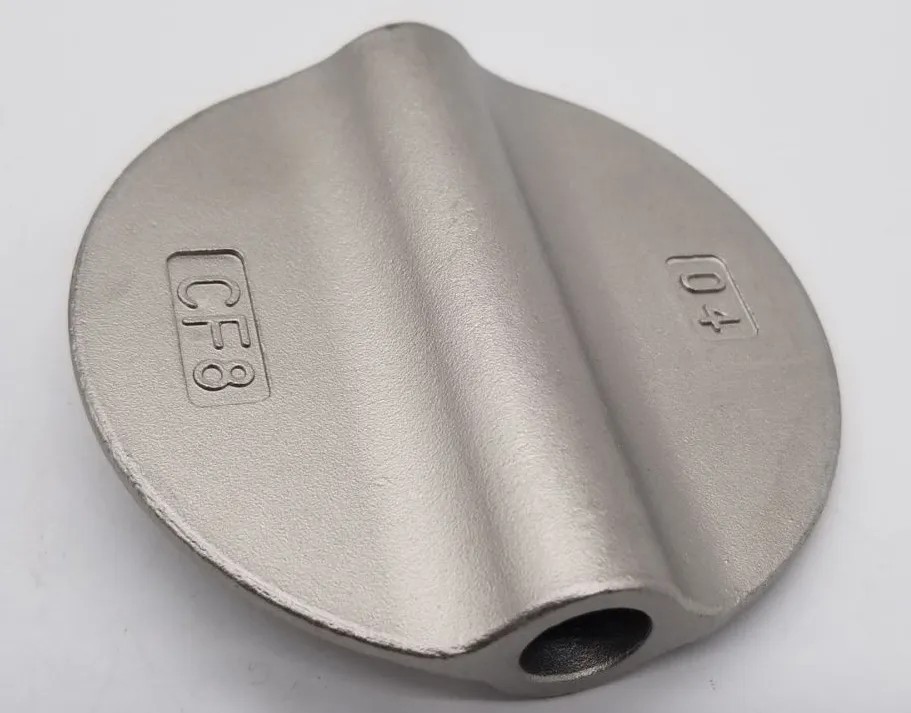
In addition to the shape and design of the valve disc, the choice of material is also crucial in determining its performance and durability. At our company, we offer a wide range of valve discs made from different materials, including Carbon Steel Valve Disc, Alloy Steel Valve Disc, and Stainless Steel Valve Disc.
Carbon steel valve discs are known for their high strength and durability, making them suitable for high-pressure applications. Alloy steel valve discs offer improved corrosion resistance and mechanical properties, making them ideal for applications in harsh environments. Stainless steel valve discs are highly resistant to corrosion and oxidation, making them suitable for applications in the food, beverage, and pharmaceutical industries.
Conclusion
In conclusion, the choice between a flat valve disc and a conical valve disc depends on a variety of factors, including the application requirements, pressure rating, flow characteristics, and material selection. As a valve disc supplier, we understand the importance of providing our customers with high-quality products that meet their specific needs. Whether you need a flat valve disc or a conical valve disc, we have the expertise and experience to help you make the right choice.
If you are interested in learning more about our valve discs or would like to discuss your specific requirements, please feel free to contact us. Our team of experts will be happy to assist you in selecting the most suitable valve disc for your application and provide you with a competitive quote.

References
- "Valve Handbook" by J. S. Tuzson
- "Control Valve Engineering" by William L. Holzbock
- "Valve Selection Guide" by Emerson Process Management