

What are the installation dimensions of a cast iron pump casing?
Dec 23, 2025
Hey there! As a supplier of Cast Iron Pump Casing, I often get asked about the installation dimensions of these pump casings. It's a crucial topic because getting the dimensions right is key to ensuring the proper functioning and efficiency of the pump. So, let's dive into it!
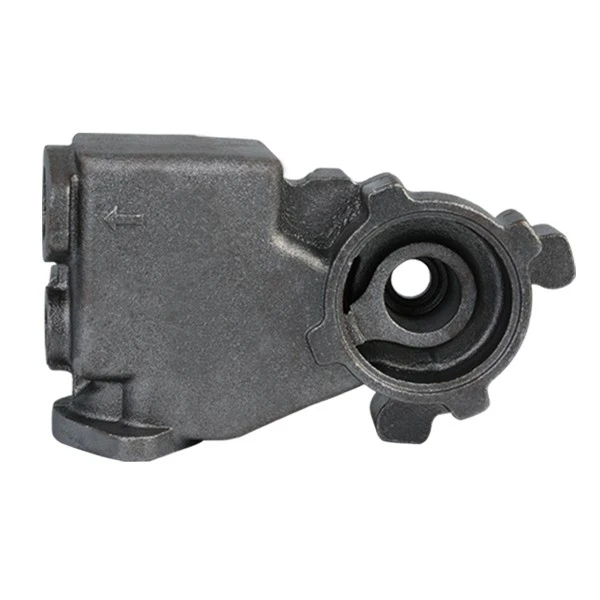

First off, what exactly are installation dimensions? Well, they're the measurements that determine how the cast iron pump casing fits into the overall pump system. These dimensions include things like the inlet and outlet sizes, the mounting holes' locations and sizes, and the overall length, width, and height of the casing.
Let's start with the inlet and outlet sizes. The size of the inlet and outlet ports on a cast iron pump casing is super important. It needs to match the pipes that will be connected to the pump. If the ports are too small, it can restrict the flow of fluid, reducing the pump's efficiency. On the other hand, if they're too large, it can lead to leaks and other issues. For example, in a standard domestic water pump, the inlet and outlet sizes might be around 1 to 2 inches in diameter. But for industrial pumps, these sizes can vary widely, from a few inches to several feet, depending on the application.
The mounting holes are another critical aspect of the installation dimensions. These holes are used to secure the pump casing to the base or other components of the pump system. The location and size of these holes need to be precise. The distance between the mounting holes, known as the bolt circle diameter (BCD), must match the corresponding holes on the base or the motor. If the BCD is off, it can be impossible to properly mount the pump casing, leading to vibrations, misalignment, and premature wear and tear. Usually, the size of the mounting holes is determined by the size of the bolts that will be used. For smaller pumps, you might use 1/4 - inch or 3/8 - inch bolts, while larger industrial pumps could require 1 - inch or even larger bolts.
Now, let's talk about the overall length, width, and height of the cast iron pump casing. These dimensions are important for ensuring that the pump fits into the available space. In a tight mechanical room, for instance, you need to make sure the pump casing isn't too large. Also, the overall dimensions can affect the weight distribution of the pump, which in turn can impact its stability. A taller and narrower pump casing might be more prone to tipping over if not properly secured, compared to a shorter and wider one.
When it comes to different types of pump casings, there are some variations in the installation dimensions. For example, a Cast Iron Pump Casing is known for its durability and strength. It's often used in applications where the pump will be exposed to harsh conditions, like in wastewater treatment plants or mining operations. The installation dimensions of a cast iron pump casing might be more standardized compared to other materials because of its widespread use.
On the other hand, Brass Pump Casing is often used in applications where corrosion resistance is important, such as in the food and beverage industry or in marine environments. Brass pump casings might have slightly different installation dimensions due to the properties of the material. Brass is softer than cast iron, so the mounting holes might need to be designed differently to prevent stripping.
Stainless Steel Pump Casing is another popular option, especially in applications where hygiene and corrosion resistance are crucial, like in the pharmaceutical or chemical industries. Stainless steel pump casings can have unique installation dimensions because of the material's strength - to - weight ratio and its resistance to deformation.
So, how do you determine the correct installation dimensions for a cast iron pump casing? Well, it all starts with understanding the requirements of your specific application. You need to know the flow rate, pressure, and type of fluid that the pump will be handling. Based on these factors, you can select the appropriate pump size and then determine the corresponding installation dimensions.
Manufacturers usually provide detailed specifications for their pump casings, including the installation dimensions. These specifications can be found in the product manuals or on the manufacturer's website. It's always a good idea to double - check these dimensions before making a purchase. You can also consult with a pump expert or an engineer if you're unsure about anything.
In some cases, you might need to customize the installation dimensions of a cast iron pump casing. This could be because of unique space constraints or specific requirements of your pump system. Many suppliers, including us, offer customization services to meet these needs. We can modify the inlet and outlet sizes, the mounting holes, and the overall dimensions to ensure a perfect fit for your application.
If you're in the market for a cast iron pump casing, it's important to work with a reliable supplier. We've been in the business for years, and we have a wide range of pump casings with different installation dimensions to choose from. Our team of experts can help you select the right pump casing for your needs and ensure that the installation dimensions are correct.
Whether you're a DIY enthusiast working on a small project or an industrial engineer in charge of a large - scale operation, getting the installation dimensions of a cast iron pump casing right is essential. It can save you time, money, and headaches in the long run.
So, if you're interested in learning more about our Cast Iron Pump Casing or have any questions about installation dimensions, don't hesitate to reach out. We're here to help you make the best choice for your pump system. Let's start a conversation and see how we can meet your pump casing needs!
References:
- Pump Handbook, by Igor J. Karassik et al.
- Industrial Pump Technology, various industry publications.