

How to balance an impeller?
Nov 04, 2025
Balancing an impeller is a crucial process that can significantly impact the performance and longevity of your equipment. As an impeller supplier, I've seen firsthand how proper balancing can make a world of difference. In this blog, I'll walk you through the ins and outs of impeller balancing, sharing tips and tricks I've picked up over the years.
Why Balancing an Impeller Matters
Before we dive into the how-to, let's talk about why impeller balancing is so important. An unbalanced impeller can cause a whole host of problems. It can lead to excessive vibration, which not only makes the equipment noisy but also puts extra stress on the bearings and other components. Over time, this can result in premature wear and tear, leading to costly repairs or even complete equipment failure.
Moreover, an unbalanced impeller can reduce the efficiency of your pump or other machinery. When the impeller isn't balanced, it has to work harder to achieve the same level of performance, which means you'll end up using more energy. This not only increases your operating costs but also has a negative impact on the environment.
Types of Impellers
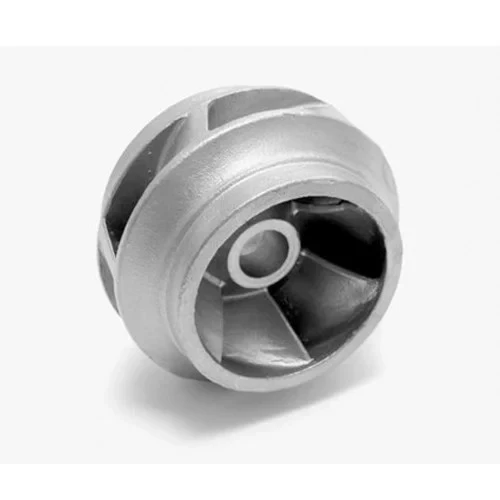
There are several types of impellers available in the market, each with its own unique characteristics and applications. As an impeller supplier, I offer a wide range of options, including Brass Pump Impeller, Cast Iron Impeller, and Aluminum Impeller.
Brass pump impellers are known for their corrosion resistance and durability, making them a popular choice for applications where the impeller will be exposed to harsh chemicals or abrasive materials. Cast iron impellers, on the other hand, are strong and can handle high pressures, making them ideal for heavy-duty applications. Aluminum impellers are lightweight and offer good heat dissipation, which is beneficial in applications where the impeller needs to operate at high speeds.
The Balancing Process
Now, let's get into the nitty-gritty of how to balance an impeller. The process typically involves the following steps:
Step 1: Inspection
The first step is to thoroughly inspect the impeller for any visible signs of damage or wear. Look for cracks, chips, or any other irregularities that could affect the balance. If you find any issues, it's important to address them before proceeding with the balancing process.
Step 2: Mounting the Impeller
Next, you'll need to mount the impeller on a balancing machine. Make sure the impeller is securely fastened to the machine to prevent any movement during the balancing process.
Step 3: Initial Measurement
Once the impeller is mounted, the balancing machine will measure the amount and location of the imbalance. This is usually done using sensors that detect the vibration of the impeller as it rotates. The machine will then display the results, indicating the amount of weight that needs to be added or removed from the impeller to achieve balance.
Step 4: Correcting the Imbalance
Based on the measurement results, you'll need to add or remove weight from the impeller. This can be done in several ways, depending on the type of impeller and the severity of the imbalance. One common method is to drill holes in the impeller and insert weights to counteract the imbalance. Another method is to remove material from the impeller using a machining process.
Step 5: Re-measurement
After making the necessary adjustments, you'll need to re-measure the impeller to ensure that it is now balanced within the acceptable tolerance range. If the impeller is still out of balance, you'll need to repeat the correction process until the desired balance is achieved.
Tips for Successful Impeller Balancing
Here are some tips to help you achieve successful impeller balancing:
- Use the Right Equipment: Invest in a high-quality balancing machine that is suitable for the size and type of impellers you'll be working with. This will ensure accurate measurements and reliable results.
- Follow the Manufacturer's Guidelines: Always refer to the manufacturer's guidelines for the specific impeller you're working with. They may provide specific instructions or recommendations for balancing the impeller.
- Take Your Time: Balancing an impeller is a precise process that requires patience and attention to detail. Don't rush through the steps, and make sure you take the time to do it right.
- Keep Records: It's a good idea to keep records of the balancing process, including the initial measurement results, the adjustments made, and the final balance readings. This will help you track the performance of the impeller over time and identify any potential issues.
Conclusion
Balancing an impeller is an essential part of maintaining the performance and reliability of your equipment. By following the steps outlined in this blog and using the tips provided, you can ensure that your impellers are properly balanced and operating at their best.
As an impeller supplier, I'm committed to providing high-quality impellers and expert advice to help you get the most out of your equipment. If you have any questions or need assistance with impeller balancing, please don't hesitate to contact me. I'd be happy to help you find the right solution for your needs.

References
- "Pump Handbook" by Igor J. Karassik et al.
- "Mechanical Engineering Handbook" by Myer Kutz.