

Can a brass pump impeller be used in a chemical - processing pump?
Dec 05, 2025
Can a brass pump impeller be used in a chemical - processing pump?
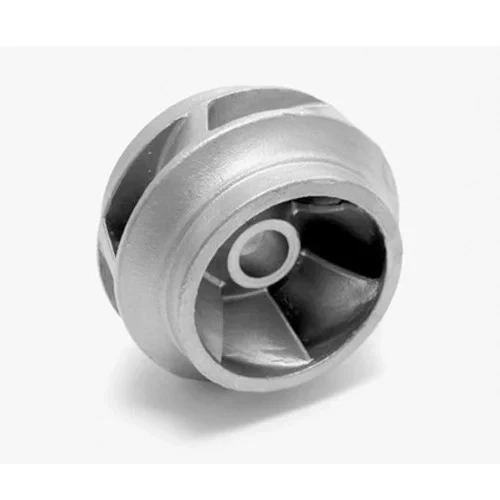
As a supplier of Brass Pump Impeller, I often receive inquiries from customers about the suitability of brass pump impellers for chemical - processing pumps. This is a crucial question, as the choice of impeller material can significantly impact the performance, longevity, and safety of a chemical - processing pump.
Understanding the Requirements of Chemical - Processing Pumps
Chemical - processing pumps are designed to handle a wide variety of chemicals, ranging from mild acids and alkalis to highly corrosive and abrasive substances. The impeller, being a key component of the pump, is directly exposed to these chemicals. Therefore, it must possess certain properties to ensure efficient and reliable operation.
First and foremost, the impeller material should be resistant to corrosion. Corrosion can lead to the degradation of the impeller surface, reducing its efficiency and potentially causing pump failure. Additionally, the material should have sufficient mechanical strength to withstand the forces generated during pump operation, such as centrifugal forces and fluid pressures. Abrasion resistance is also important, especially when dealing with chemicals that contain solid particles.
Properties of Brass
Brass is an alloy composed primarily of copper and zinc, with small amounts of other elements such as lead, tin, or aluminum. It has several properties that make it a potential candidate for use in chemical - processing pumps.
One of the main advantages of brass is its good corrosion resistance. Copper, one of the main components of brass, forms a protective oxide layer on its surface when exposed to air and moisture. This oxide layer helps to prevent further corrosion. However, the corrosion resistance of brass can vary depending on the specific chemical environment. For example, brass is generally resistant to water, mild acids, and some alkalis. But in the presence of strong acids, such as hydrochloric acid or sulfuric acid, brass may corrode more rapidly.
Brass also has relatively good mechanical properties. It is strong enough to withstand the normal operating forces in a pump, and it has good machinability, which means it can be easily fabricated into complex impeller shapes. Moreover, brass has a relatively low coefficient of friction, which can contribute to the efficiency of the pump.
Advantages of Using Brass Pump Impellers in Chemical - Processing Pumps
- Cost - effectiveness: Compared to some other materials used in chemical - processing pumps, such as stainless steel or exotic alloys, brass is relatively inexpensive. This can make it an attractive option for applications where cost is a major consideration.
- Good heat transfer: Brass has a relatively high thermal conductivity, which can be beneficial in applications where heat needs to be dissipated. For example, in some chemical - processing operations, the pumping of hot fluids may generate heat, and the good heat - transfer properties of brass can help to prevent overheating of the impeller and the pump.
- Ease of manufacturing: As mentioned earlier, brass is easy to machine. This allows for the production of impellers with precise dimensions and complex geometries, which can improve the pump's performance.
Limitations of Using Brass Pump Impellers in Chemical - Processing Pumps
- Limited corrosion resistance: While brass has some corrosion resistance, it is not suitable for all chemical environments. In the presence of certain aggressive chemicals, such as strong oxidizing agents or ammonia - containing solutions, brass can corrode rapidly. This can lead to the formation of pits, cracks, or even the complete failure of the impeller.
- Galvanic corrosion: If brass is used in a pump system where it comes into contact with other metals, galvanic corrosion may occur. Galvanic corrosion is an electrochemical process that can accelerate the corrosion of the less noble metal (in this case, brass) when it is in contact with a more noble metal in an electrolyte (such as a chemical solution).
Comparison with Other Impeller Materials
- Cast Iron Impeller: Cast iron is a common material for pump impellers. It is relatively inexpensive and has good mechanical strength. However, its corrosion resistance is generally poor compared to brass. Cast iron is prone to rusting in the presence of water and oxygen, and it may not be suitable for handling corrosive chemicals.
- Aluminum Impeller: Aluminum is lightweight and has good corrosion resistance in some environments, especially in the presence of certain acids. However, it has relatively low mechanical strength compared to brass, and it may not be suitable for high - pressure or high - speed applications.
Applications Where Brass Pump Impellers Can Be Used
Despite its limitations, brass pump impellers can be used in a variety of chemical - processing applications. For example, in the handling of mild acids and alkalis, such as acetic acid or sodium hydroxide solutions, brass impellers can provide reliable performance. They are also suitable for some applications in the food and beverage industry, where the chemicals involved are relatively mild and the cost - effectiveness of brass is an advantage.
Conclusion
In conclusion, whether a brass pump impeller can be used in a chemical - processing pump depends on the specific chemical environment and the requirements of the application. While brass has some advantages, such as cost - effectiveness, good machinability, and moderate corrosion resistance, it also has limitations, particularly in highly corrosive or aggressive chemical environments.
Before selecting a brass pump impeller for a chemical - processing application, it is essential to conduct a thorough analysis of the chemical properties of the fluids being pumped, as well as the operating conditions of the pump. If you are considering using a brass pump impeller for your chemical - processing needs, I encourage you to reach out to discuss your specific requirements. We can provide you with detailed information and guidance to help you make the best choice for your application.

References
- "Materials for Chemical Process Equipment" by Ernest P. Plueddemann.
- "Corrosion Engineering" by Mars G. Fontana.
- Technical literature on brass alloys from major metal suppliers.